



























- Short-term orders with high urgency
- Complex silo, bin, and transport logistics
- Tight coordination between production and truck scheduling
- High cleaning and contamination control requirements
- Personnel dependencies in key roles
- Increased inventory risk
- Unnecessary stock movements
- Truck idle times
- Overtime
- Lost contribution margins

Economic levers in compound feed production
Logistics
- Reduction of truck idle times
- Higher utilization of delivery routes
- Fewer stock movements between silos
- Reduced planning effort
Production
- Optimized lot sizes
- Minimization of flushing batches
- Reduction of setup and cleaning efforts
- Avoidance of rework production
Organization & capital commitment
- Lower inventory levels
- More stable processes, even in the event of personnel changes
- Reduction of ad hoc decision-making
- Higher transparency regarding contribution margins
Integrated detailed production scheduling for compound feed & premixes
MCP’s industry-specific solution extends Opcenter APS with functionalities specifically tailored to the requirements of compound feed and premix production:
- Automatic calculation of optimal lot sizes
- Comprehensive silo and bin planning, including allocation logic
- Integration of transport routes and stock movements
- Minimization of flushing batches based on the contamination matrix
- Consideration of energy and load management
- Synchronization with truck scheduling
This creates a fully integrated, economically optimized overall plan for the entire plant—rather than isolated sub-plans.
Measurable effects in compound feed production
Through integrated production planning, economically relevant effects can be achieved in compound feed and premix operations:
15%
higher productivity
25%
lower inventory levels
60%
Fewer unplanned changeovers
80%
fewer delivery delays
100%
Fewer unplanned changeovers
Scope of functionality of compound feed planning with Opcenter APS
- Automatic generation of production orders for open demands and stock items
- Intelligent calculation of optimal lot sizes
- Assignment of operations to mixers, presses, and other equipment
- Kapazitätsgeprüfte Reihenfolgeplanung je Anlage
- Comprehensive silo and bin planning, including allocation over time
- Integration of transport routes and stock movement logic
- Consideration of energy prices and load management
- Synchronization with truck scheduling
- Consideration of machine, material, and personnel availability
- Scheduling logic across the entire process chain
- Continuous feeding of press pre-bins
- Learning-based determination of process times based on historical production data
- Minimization of flushing batches based on the contamination matrix
- Reduction of setup, waiting, and downtime
- Different lot size logic for production and packaging (premix-specific)
- Automatic replenishment of underutilized capacity through stock orders
- Transparent graphical visualization of the entire planning horizon
- Visualization of silo fill levels over the timeline
- Extendable personnel deployment planning at individual employee level
- Flexible master data modeling (silo sizes, minimum/maximum lot sizes, volume/weight conversion)
- KPI evaluations on call-off behavior, truck on-time delivery performance, and process quality
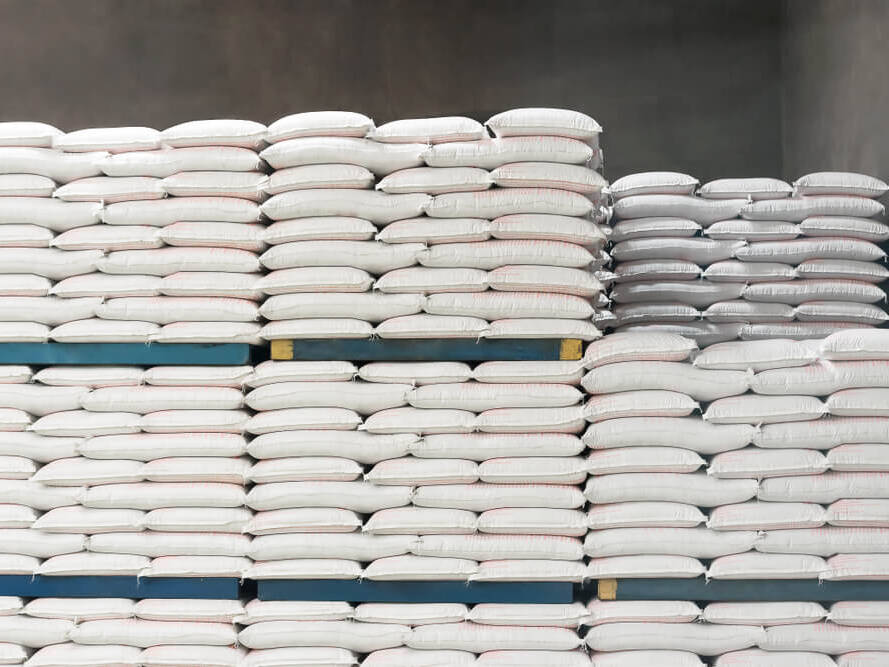
Your entry point: Free potential analysis for compound feed & premixes
In a structured discussion, we analyze your production and logistics processes and identify specific economic levers—from truck idle times to inventory optimization.
What changes for the planner?
The planner’s workplace in an evolved structure
Planners spend a significant portion of their time on manual, repetitive tasks during the planning process. With every change to the plan, material availability, coverage, silos, bins, transport routes, and flushing batches or the contamination matrix, as well as the packaging line schedule, must be checked.Although not all details of the plan can be continuously recalculated for the entire order backlog, all delivery dates still need to be met. As a result, planners are forced to develop solutions multiple times a day for unforeseen events—such as material reallocations or required re-production.
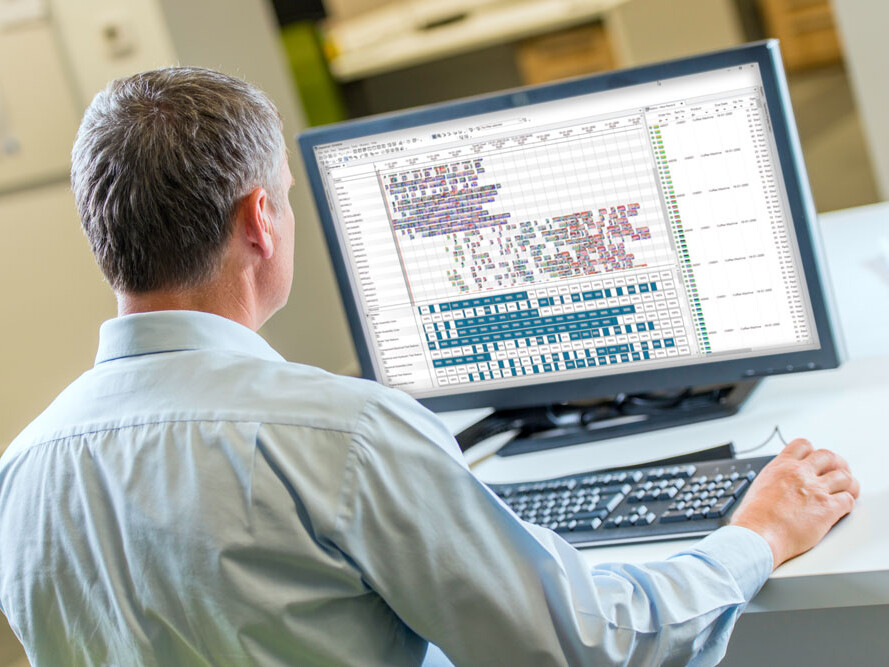
The workplace with modern tool support
The industry-specific APS automatically considers all relevant constraints of production planning. The underlying algorithms are tailored to the processes and infrastructure of a compound feed or premix plant.The planner generates an overall plan through an automated planning run, integrating decisions down to the selection of the loading bin or packaging line. This eliminates conflicting individual decisions between planning and dispatching—resulting in a consistent overall plan for all stakeholders.In the event of major disruptions or new demand, an updated and optimized overall plan for the entire plant can be generated at any time—if required, several times a day.


Success story: Production planning in the compound feed industry
The animal feed manufacturer GARANT-Tiernahrung GmbH, market leader in Austria, digitized its production planning together with MCP Algorithm Factory.Results:
- higher efficiency in production and logistics
- significant relief for key personnel
- Structured management of order handling and dispatching
Garant saves several hours of planning effort every day. This time is invested in strategic improvement projects to achieve annual productivity targets—thereby sustainably strengthening its market position.
“Our plant managers used to manually calculate the production plan for all incoming orders: including silo allocation, flushing batches, contamination matrix… Today, we press a button and within two minutes have a plan for all machines that includes everything we need for optimal plant operation.”
Your direct path to stable and economically efficient production planning
In a structured potential discussion, we analyze your specific challenges – and show you concretely what economic potential can realistically be unlocked in your production planning.
You will receive a well‑founded assessment of productivity, inventory, and service level potential, as well as the required implementation effort and project structure