

























The food industry is characterised by high product variety, shelf‑life constraints, and strong cost pressure. Typical challenges include:
- Daily and weekly planning cycles combined with short‑term demand fluctuations
- Integration of forecasts, orders, and minimum coverage levels into a single, consistent plan
- Weekend‑ and promotion‑driven demand fluctuations
- Shelf‑life constraints across the entire supply chain
- Limited Planning Horizons in Detailed Scheduling
- Conflicting objectives between service levels, inventory, and profitability
Traditional planning approaches reach their limits, as isolated processes and a lack of scenario capability lead to reactive decisions and unnecessary costs.

Measurable Impact Across the Entire Food Supply Chain
From demand forecasting through to distribution, Sunstice enables integrated control of the food supply chain and delivers measurable economic impact across all planning levels.
+10–15% more accurate forecasts
fewer stockouts & overproduction
–25% supply chain costs
through optimised networks
Efficient Promotion & NPI Management
Efficient Promotion & NPI Management
Integrated Shelf‑Life Management
Integrated Shelf‑Life Management
From Reactive Planning to Economically Controllable Food Production
Sunstice verbindet Nachfrage, Produktion, Bestände und Distribution in einem konsistenten Entscheidungsmodell. Dadurch entstehen stabile Abläufe, reduzierte Verluste und eine deutlich höhere wirtschaftliche Steuerbarkeit.
Consideration of shelf‑life across all planning stages
More precise control of promotions and new product introductions

Significant time savings in planning and control — no more Excel spreadsheets for planning

Reduction of logistics costs through optimised distribution network planning

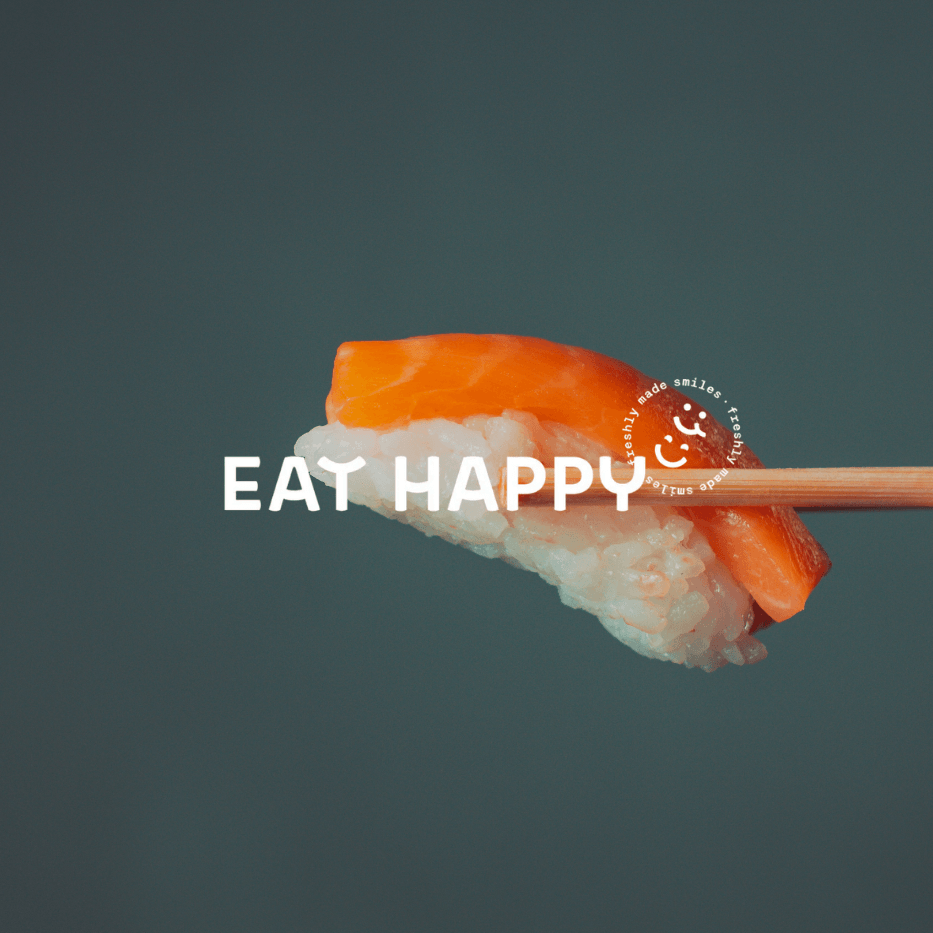
How food production can be managed profitably despite volatility
Discover how Eat Happy leveraged Sunstice to increase forecast accuracy, reduce food waste, and drive targeted growth at the point of sale.
“In ultra‑fresh food, mistakes show immediately. By embedding Sunstice Demand Planning and DRP solutions into our daily decisions, we turned operational pressure into a real competitive advantage.”
Your Next Step Toward Stable and Economically Efficient Food Planning
In a structured discussion, we analyse your planning processes and identify concrete economic levers—ranging from food‑waste reduction and inventory stabilisation to improved decision quality.